The story of this brand is, as the name suggests, the story of a true Otacı, a herbal healer: the story of Niyazi Kurtsan and of the generations he raised. Captivated by the power of nature from an early age, Niyazi Kurtsan devoted himself to healing those around him with the plants, the language, the art and the abundance of the land he belonged to.
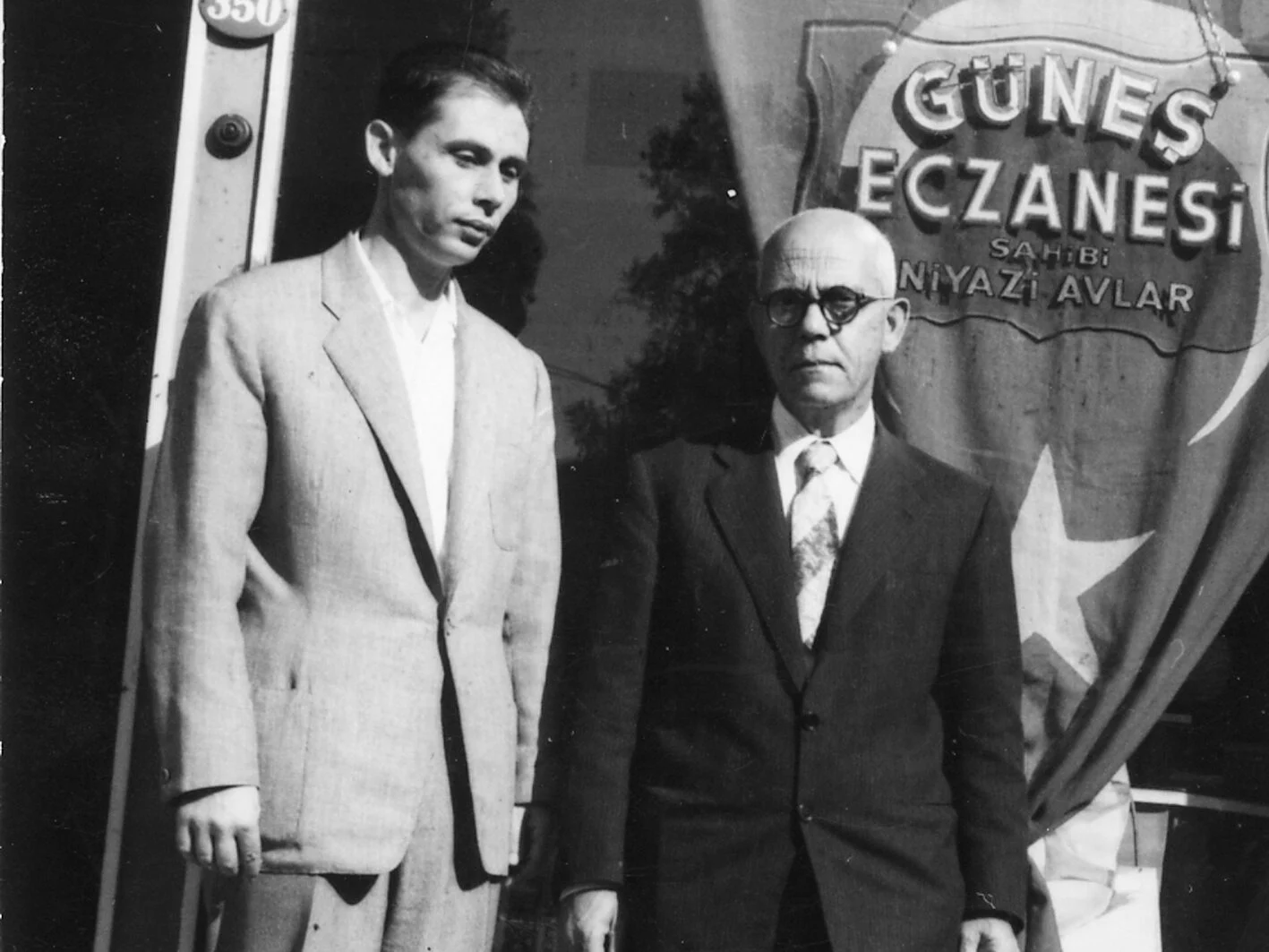
A Beginning in Bandırma
Niyazi Kurtsan was the son of a migrant family who wished to live in Turkey even though they had been left outside the scope of the population exchange. At the age of 15 he made the journey on foot from a village in Greece to Bandırma. Starting a new life there selling candy apples alongside the family who took him in at the marketplace, he had no idea that 47 years later he would build a factory on 80 dönüms of land on this very spot, producing lozenges, shampoos and medicines.
The trades he took up at 15, confectionery and soap making, would later inspire the herbal lozenges that earned Turkey’s first domestic pharmaceutical patent, and the creation of the country’s natural herbal cosmetics market. For Niyazi Kurtsan’s story had changed course one day when he was seven: petting a foal, he was kicked and his head was split open. His grandfather picked a plant from the bushes and pressed it to the wound. With no vaccine and no infection, the remedy made from plants healed him quickly, and left him in awe of nature’s power to heal.
Niyazi Bey’s childhood passed amid migrations, wars and hunger so severe that a quarter loaf of bread had to see him through the day. Even so, he grew up a child in love with nature, art and literature; hard conditions never kept him from painting works that won state awards, from finding instruments and learning to play them, or from writing prize-winning stories. In high school he discovered literature and philosophy. Painting, music, literature, philosophy and libraries remained part of his life ever after.
When university admissions came, he arrived in İstanbul with excellent grades and everything he had gathered through high school, hoping to win a place at a tuition-free school. Penniless, he went hungry and slept in parks and gardens while looking for ways to make a living. Worn down by the struggle, he fell ill; though he earned a place at the Faculty of Medicine, he was unable to take it up. Once recovered, he began boarding studies in pharmacy on a state scholarship. He toured exhibitions with Rubens in one pocket and a pharmacognosy book in the other, met Cemal Tollu, and became a student at the Institute of Fine Arts. His nights were spent between chemistry lessons and paintings. His love of art would later join forces with science.
He took extra terms to complete the faculty, because he did not believe in standard moulds. What mattered, he believed, went beyond being a good student: it was the pursuit of universal culture.
A Lifelong Partnership
After graduating, he opened his first pharmacy in Kocamustafapaşa in 1955. At a railway station he met Meral Hanım, who would become not only his wife but his life companion and business partner. He told her that he had serious intentions in life, and that he was looking for a partner who would join him and stand by him as he pursued them.
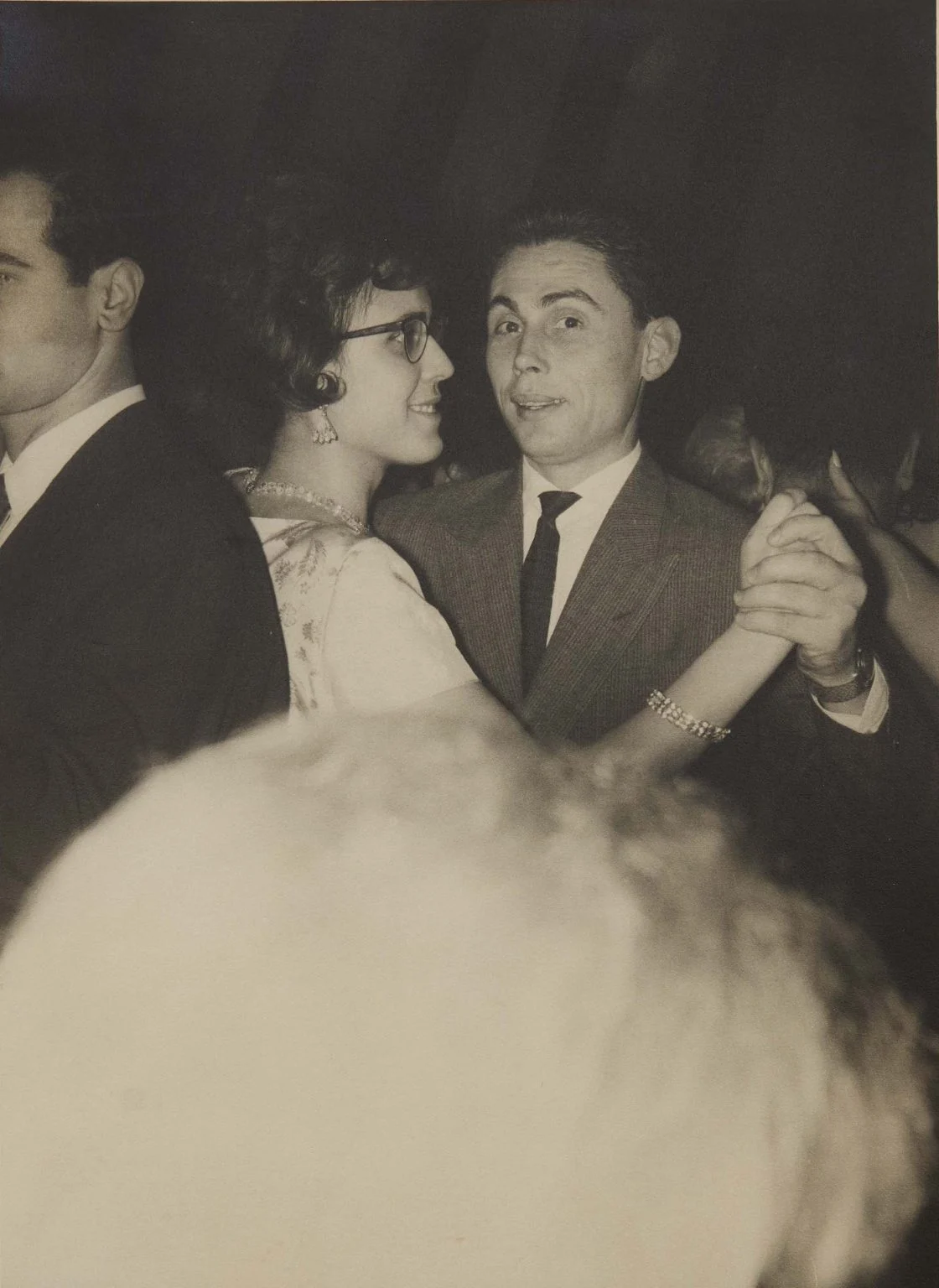
Meral Hanım agreed to marry Niyazi Bey on one condition: that he put her through school. She never let him forget that promise. She would become a pharmacist like her husband and, like a comrade-in-arms when it was needed, run the pharmacy while Niyazi Bey chased his discoveries. She raised two children, kept the home and worked all the while. Meral Kurtsan still works every day, still goes to her pharmacy, and serves on the Board of Directors of the Holding where her grandchildren work.
In the family they built, the number of pharmacists rose to four, and their daughters graduated from state school in good time and took their own places in life’s struggle. Through migrations, wars and hardships, every member of the family worked. One of the family’s most distinctive traits: across four generations of women, from Niyazi Bey’s mother to his granddaughters, strength has come from diligence and determination. In the Kurtsan family, women have stood, and still stand, for resolve.
A Curiosity Born in the Laboratory
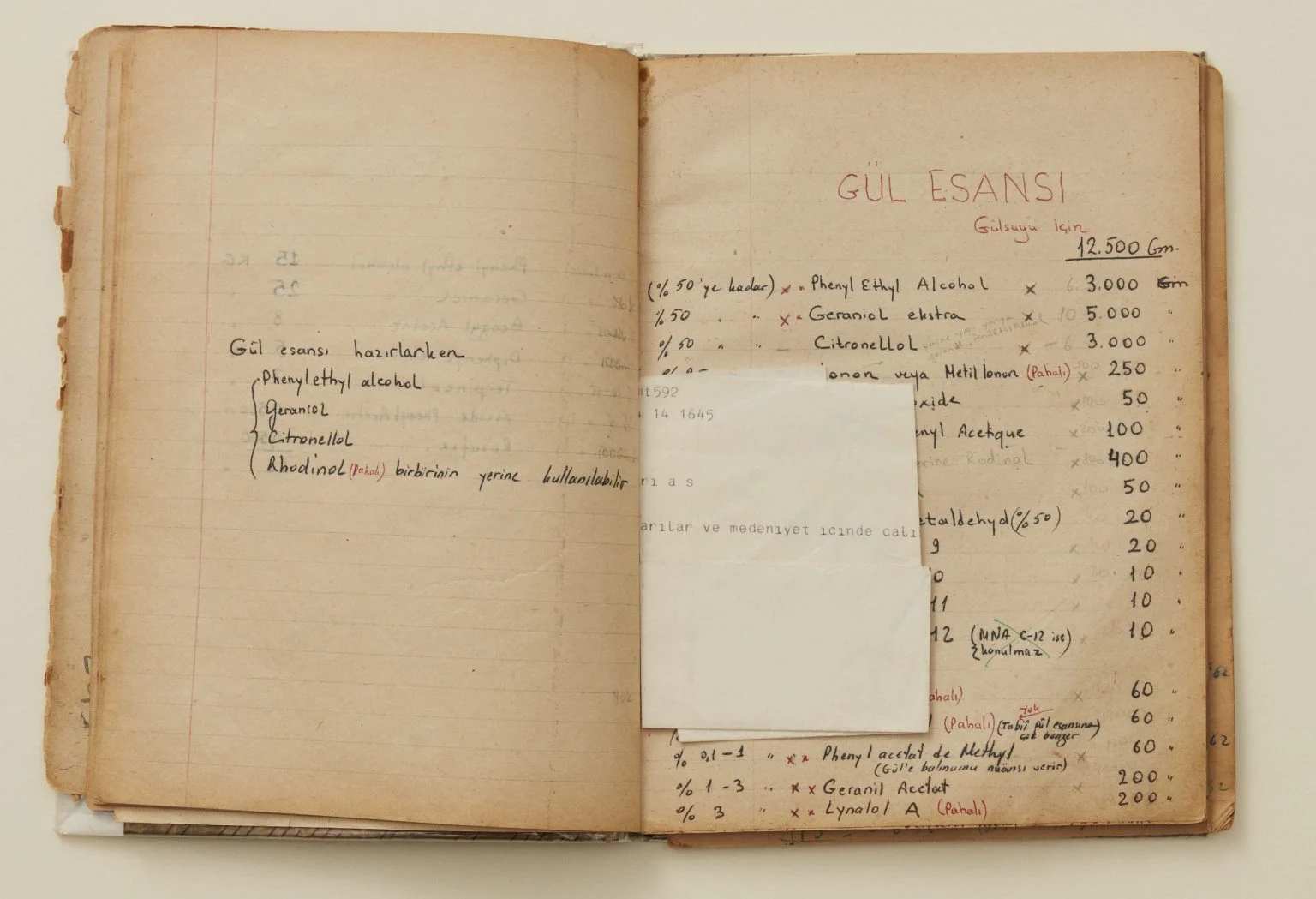
Meanwhile, in the laboratory set up beneath the pharmacy in Kocamustafapaşa, the foundations of today’s Kurtsan Holding were being laid, with sales of mulberry syrup, tincture of iodine and oxygen produced in small bottles. Niyazi Bey was a man who always questioned and always experimented.
In the early 1950s, years before Turkey had even heard of instant fruit drinks, he set out to make an orange extract that would keep, so that orange juice could be drunk summer and winter alike. As business went well he stepped up his experiments, working to bring nature’s health-giving wonders, plants such as sage, mint and eucalyptus, to the consumer.
In 1969 the Kurtsan Laboratory became Kurtsan İlaçları A.Ş. The name “Kurtsan” went on to become the first domestic company in the Turkish pharmaceutical industry to hold three patents. In 1980, the first step on the road to the Otacı brand was a “throat lozenge.” Set on making a mentholated lozenge from herbs, Niyazi Bey went to the confectioner Şekerci Hacıbekir and, through many inventive rounds of trial and error, produced Turkey’s first herbal medicine. A reader of Turkish dictionaries in his spare time, he came across the word “Otacı”, the name given in pure Turkish to the folk healers who treated people with the power of nature, at a time when there was as yet no word for doctor. He decided to give his company that name. In Niyazi Kurtsan’s eyes, the word Otacı was a rare jewel, standing at once for medicine, for healing, for history and for the Turkish language itself.
Niyazi Kurtsan gave his story as a gift to future generations and to his country, under the name Otacı.